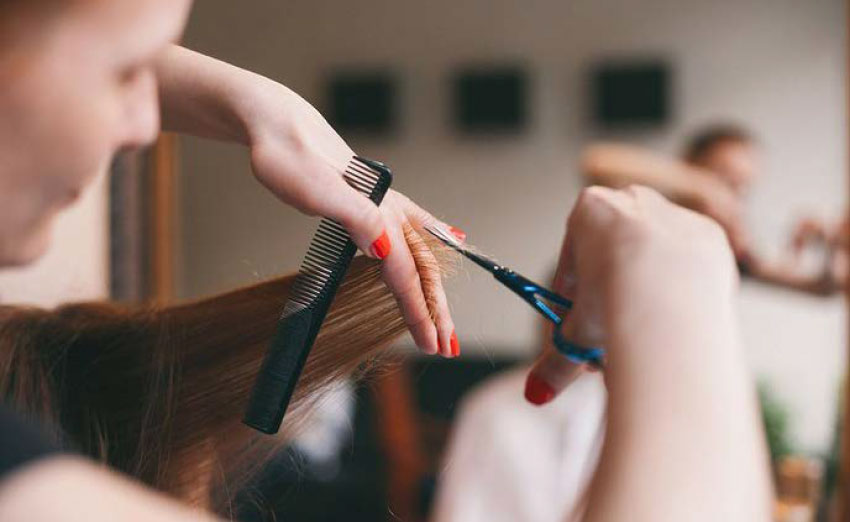
Are you thinking about swapping salon life for the freedom of freelance?
If you’ve spent years behind the chair, built up a loyal client list or feel ready for something new, going solo could be the next big move in your hairdressing journey.
Freelancing means you call the shots, from your working hours to the brands in your kit.
But running your own business involves more than what happens at the styling chair.
To help you get started, we’ve put together a step-by-step guide to going freelance, from sorting your insurance and building your kit to setting your prices and making sure your clients keep coming back.
Plus, you’ll find a 90-day launch plan to help you hit the ground running with your new business.
What do I need to be a self-employed hairdresser?
Start by making sure you’ve got the right skills and training, a workspace that fits your vibe, professional insurance, a kit you can rely on, and a plan for managing your bookings, finances and tax.
Getting set up is usually the easy bit. Building a steady column of loyal clients? That takes time, patience and a little bit of hustle.
Before you take the leap, here are a few things to think about:
- Your hairdressing qualifications and professional experience.
- Where you intend to carry out your services.
- Your start-up budget and ongoing business expenses.
- Registering as self-employed with HMRC, where required.
- Professional insurance.
- Your hairdressing kit and product stock.
- Your service menu and pricing structure.
- How you'll attract new clients and encourage repeat bookings.
- How you'll manage appointments, payments and bookkeeping.
If you're currently employed in a salon, it's also worth checking your employment contract for any restrictions relating to working independently or contacting existing salon clients.
Having a little savings cushion can also really help take the pressure off in those early months, especially while your bookings are still finding their rhythm.
Freelance, chair rental or mobile: which route suits you?
One of the great things about going freelance as a hairdresser is that there isn't just one way to do it. You can build a business around your specialist services, lifestyle and the type of environment you enjoy working in.
Freelancing within salons
Working as an independent freelance hairstylist within one or more salons gives you access to a professional working environment without the overheads of opening your own premises. Your costs will depend on your arrangement with each salon, and you may need to generate some or all of your own bookings.
Renting a chair
Renting a chair is a go-to for stylists who love the buzz of salon life but want more independence. You’ll usually pay a set rental fee for your space and may get access to backwash units, styling stations, and communal areas. Before signing an agreement, confirm what's included in your rent, from towels and refreshments to product storage and booking facilities.
Mobile hairdressing
As a mobile hairdresser, you’ll head out to your clients instead of having them come to you. You might save on chair rental, but don’t forget to factor in fuel, travel time, vehicle costs and a portable kit that can handle life on the road. It can be particularly appealing if you'd like to specialise in bridal hair, occasion styling, or clients who prefer appointments from the comfort of their own home.
Working from a home salon
If you’ve got a suitable space at home, setting up your own salon could be an option. Just make sure to check if you need permission from your local council, mortgage provider or landlord, and that your insurance covers business use of your property.
Remember, working within a salon or renting a chair doesn't automatically mean you're self-employed. Check our guide on how to confirm your self-employed status and register with HMRC before committing to a working arrangement.
Is freelancing right for you? The upsides and the downsides
As with any career change, becoming a freelance hairdresser has pros and cons. Weigh these up before handing in your notice or investing in a brand-new kit.
| The benefits of freelance hairdressing | The challenges of freelance hairdressing |
|---|---|
| More control over your working hours. | An unpredictable income, particularly when starting out. |
| Freedom to choose the services you offer. | No employer-funded holiday or sick pay. |
| Greater control over your prices and earning potential. | Responsibility for your own tax, insurance and bookkeeping. |
| Freedom to choose the professional products you work with. | The initial expense of purchasing equipment and stock. |
| The opportunity to build your own brand and reputation. | Finding clients and managing your own marketing. |
| More flexibility over where you work. | Potentially missing the social aspect of working within a salon team. |
Freelancing gives you loads of creative and professional freedom, but remember, you’re running a business as well as working behind the chair.
From replying to appointment enquiries to ordering stock and keeping on top of your accounts, you'll spend some of your week away from clients.
Still deciding whether to make the move?
Discover more in our guide to working in a salon vs freelancing.
Registering with HMRC: the short version
Many freelance hairdressers choose to operate as sole traders, taking responsibility for their own business records, tax and National Insurance. You'll need to establish your employment status and register for Self Assessment with HMRC if required.
We've covered the process in more detail in our guide to self-employed status in hair and beauty, including what to consider if you're working on a commission split or renting a chair.
Insurance before your first client
Whilst insurance might not be the most exciting part of setting up your freelance hairdressing business, it's certainly not something to overlook.
Even the most experienced hairdressers can encounter unexpected situations, from a client reacting to a colour service to accidentally damaging something while working in their home.
Having appropriate self-employed hairdresser insurance in place can help protect both you and your business.
Depending on the services you offer and where you work, you may want to consider:
- Public liability insurance: Helps protect your business against certain claims involving injury to a third party or damage to their property.
- Treatment liability insurance: Covers specified risks associated with the professional hairdressing services you provide, subject to your policy terms.
- Product liability insurance: Protects against certain claims arising from products you supply or use, depending on your cover.
- Tools and equipment insurance: Can help cover the cost of repairing or replacing insured equipment if it's damaged, lost, or stolen under your policy.
- Business-use motor insurance: Particularly important if you're travelling between clients' homes as a mobile hairdresser.
If you're renting a chair within an established salon, don't assume that the salon owner's insurance automatically covers your services. Check exactly what protection is in place and arrange your own cover where necessary.
Also ensure your policy covers every service you intend to offer, including hair colouring, extensions, and chemical treatments where applicable.
Always follow your insurer's requirements and the product manufacturer's instructions surrounding consultations, allergy alert testing and record keeping.
Discover more about choosing the right insurance for hair and beauty professionals.

Setting your prices
One of the biggest adjustments when becoming a freelance hairdresser is deciding how much to charge for your services.
Building a sustainable business as a freelance hairdresser is tough; your prices need to cover much more than the products you use during an appointment.
Consider:
- The time each service takes to complete.
- The cost of professional hair colour and styling products.
- Chair rental or other premises costs.
- Travel and parking expenses.
- Insurance.
- Equipment maintenance and replacement.
- Booking software and payment processing fees.
- Ongoing training and education.
- Holidays, sickness and quieter periods.
- Time spent on consultations, cleaning and business administration.
Checking out what other hairdressers are charging can help you get a feel for your local market, but your prices need to work for your business and your goals.
Working out your day rate
Before putting together your service menu, calculate how much revenue you need to generate each year and how many client-facing hours you realistically have available.
Remember, a seven-hour working day doesn’t mean seven hours of paid appointments.
You’ll need time for setting up, cleaning your kit, replying to messages, ordering stock and grabbing a well-earned lunch break.
Let's imagine you're planning to work four days a week, for 46 weeks of the year, with an average of five chargeable client hours per working day.
| Annual Income and business costs | Example |
| Target annual personal income before tax and National Insurance | £30,000 |
| Annual business expenses | £8,000 |
| Required annual business revenue | £38,000 |
| Working weeks per year | 46 |
| Working days per week | 4 |
| Total working days per year | 184 |
| Chargeable client hours per day | 5 |
| Total annual chargeable hours | 920 |
| Required average daily revenue | £206.52 |
| Required average hourly revenue | £41.30 |
Based on this example, you would need to generate around £207 per working day, or £42 per chargeable hour (rounded up), to cover your estimated business costs and reach your target pre-tax income.
What could this look like when pricing individual services?
| Hairdressing Service | Chargeable Appointment Time | Illustrative Starting Price |
| Blow-dry | 45 minutes | £32 |
| Cut and blow-dry | 60 minutes | £42 |
| Restyle and finish | 90 minutes | £63 |
| Colour, cut and finish | 2.5 hours | £105 |
| Balayage and finish | 4 hours | £168 |
Note: These figures are illustrative, not recommended industry prices.
The hourly rate already includes an allowance for average business and product costs, so avoid counting those same costs twice. Adjust individual service prices where product usage is significantly higher than average, particularly for colour corrections, longer hair and specialist colour services.
Don’t forget to allow for gaps in your diary. If you only fill 80% of those 920 client hours, your hourly target jumps to around £52.
And review your prices regularly instead of waiting until your overheads have crept up. Even small increases in the cost of colour, fuel or consumables can really add up over the year.
Charging for travel
If you're working as a mobile hairdresser, don't underestimate how much time you spend travelling between appointments.
A one-hour cut and blow-dry can easily take up much more of your day once you factor in driving, parking, setting up and packing away your kit.
You could choose to:
- Include travel within your standard prices for clients in your immediate area.
- Introduce an additional travel charge outside your usual service radius.
- Set a minimum booking value for appointments further afield.
- Group appointments within the same geographical area on specific days.
Whichever approach you go for, always let your clients know about any extra charges before they book in.
Your freelance kit: what to buy first

If you’re used to working in a salon where everything’s provided, building your own freelance kit can feel like a big step...and a big investment.
The good news is that you don’t need to buy it all at once. Focus on the essentials for your core services first, then add to your kit as your business (and your client list) grows.
| Kit Category | What you'll need |
| Cutting tools | Professional cutting scissors, thinning scissors, sectioning clips and combs. |
| Electrical equipment | A reliable professional hairdryer, straighteners, curling tools and clippers where required. |
| Hairbrushes | Round brushes in different sizes, paddle brushes and detangling brushes. |
| Colour essentials | Professional colour, compatible developers, lightener, tint bowls, brushes, foil, gloves and scales. |
| Haircare and styling | Shampoo, conditioner, heat protection, styling creams, oils and finishing sprays. |
| Client protection | Clean towels, gowns, capes and protective coverings. |
| Hygiene essentials | Suitable disinfectants, cleaning supplies and separate storage for clean and used equipment. |
| Storage and transport | A durable kit bag, equipment case or portable trolley. |
| Business essentials | Consultation forms, a booking system, appointment records and a reliable payment method. |
Start with a great pair of professional scissors and reliable electricals. These are your everyday essentials, so choose tools that feel comfortable and will last through countless appointments.
When it comes to hair colour, you don’t need every shade on the shelf from day one.
Stick to the colour systems you know and love, and stock up on the shades you’ll actually use for your first clients.
If you’re still working in a salon, double-check what’s already provided before you splash out on new products or equipment.
Related Products

128.70 GBP


Regular Price
12.25 GBP
Special Price
9.15 GBP


Regular Price
32 GBP
Special Price
19.20 GBP

10.60 GBP


15.38 GBP

Regular Price
13.4 GBP
Special Price
10.05 GBP

Regular Price
12.35 GBP
Special Price
9.85 GBP


89.00 GBP

Regular Price
24.99 GBP
Special Price
10.00 GBP

Regular Price
39.95 GBP
Special Price
33.95 GBP

Regular Price
16 GBP
Special Price
13.60 GBP

Regular Price
121 GBP
Special Price
101.00 GBP

5.00 GBP

Regular Price
3.5 GBP
Special Price
2.00 GBP


114.60 GBP


Finding and keeping your first clients
You’ve got your kit sorted, insurance in place and your service menu ready. Now it’s time to start filling that appointment book!
Building a loyal client base takes time, but there are loads of ways to get your name out there without blowing your budget on marketing.
Social media is your best friend here. Instagram and TikTok are perfect for showing off your skills, think before-and-afters, colour transformations, styling reels and a peek behind the scenes (with your clients’ permission, of course).
Don’t forget to update your bio so people know where you’re based, what you offer and exactly how to book in.
Make it easy for local clients to find you. Use location tags, join local community groups (where you’re allowed to promote), and set up a Google Business Profile if you can.
Word-of-mouth is still gold in our industry. Ask happy clients to leave a review or recommend you to friends and family...it really does make a difference.
Connect with other local pros. Makeup artists, bridal boutiques, nail techs, and beauty therapists can be brilliant contacts, especially if your services complement each other.
Keep booking simple, whether you’re using an online platform or taking messages directly. Make sure your availability, prices, deposits and cancellation policy are all crystal clear.
Don’t wait for clients to get in touch when their roots need doing, offer to book their next appointment before they leave your chair.
Track how new clients find you. It’ll help you see whether your time is best spent on socials, local networking or encouraging referrals.

Bookkeeping from day one
Staying on top of your finances might not be the most exciting part of freelance life, but good bookkeeping habits from day one will save you a lot of stress later.
Don’t wait until tax return time to start hunting for receipts or working out what you’ve earned.
Set aside a little time each week to:
- Record income from appointments and product sales.
- Keep receipts and invoices for business purchases.
- Record chair rental, travel and other business expenses.
- Check that payments have been received.
- Set aside money towards your tax and National Insurance bills.
- Review upcoming expenses and quieter periods in your diary.r.
Whilst a separate business bank account isn't generally a legal requirement for sole traders, keeping your business and personal spending separate can make life much easier. Check your bank's terms to ensure your account permits business transactions.
It’s also key to know the difference between turnover and profit. A packed diary doesn’t always mean more take-home if you’ve spent more on products, equipment or chair rental that month.
For more advice on expenses you can claim, bookkeeping, Self Assessment deadlines, and Making Tax Digital, see our dedicated guide to tax returns for hairdressers and beauty therapists.
If you're unsure about your individual tax responsibilities, it's always worth speaking to a qualified accountant.
Your 90-day launch plan

Your first three months as a freelance hairdresser are all about getting set up, finding your feet and figuring out what works best for you.
Breaking things down into smaller, manageable steps can help everything feel less overwhelming, especially if you’re moving from salon life to self-employment.
Here’s a 90-day launch plan to help you stay on track.
Days 1–30: Register, insure and kit up
Get your business foundations sorted before you welcome your first paying client.
| Week | Your action |
| Week 1 | Decide where you'll work and confirm your working arrangement, start-up budget and business costs. |
| Week 2 | Check your self-employed status and organise any necessary HMRC registration. |
| Week 3 | Arrange appropriate insurance for your services and working environment. |
| Week 4 | Purchase your essential hairdressing kit and establish your consultation, hygiene and safety procedures. |
Days 31–60: Price, promote and book your first clients
Once you’ve got the essentials sorted, it’s time to get your name out there and start bringing in bookings.
| Week | Your action |
| Week 5 | Calculate your day rate and create a profitable, clearly priced service menu. |
| Week 6 | Set up your professional social media profiles and start showcasing your work. |
| Week 7 | Establish your booking process, payment methods and cancellation policy. |
| Week 8 | Launch your appointment availability and start welcoming clients. |
Days 61–90: Review, refine and build repeat business
Once you’re taking bookings, you’ll get a clearer picture of how your business is running and where you might want to tweak things.
| Week | Your action |
| Week 9 | Review your most popular services and how long appointments are actually taking. |
| Week 10 | Establish a consistent rebooking process and encourage client reviews and recommendations. |
| Week 11 | Review your stock usage, travel costs and other business expenses. |
| Week 12 | Identify which marketing activities are generating the most bookings. |
| Week 13, up to day 90 | Review your income, diary and prices, and set realistic goals for the next three months. |
Every hairdresser’s freelance journey looks a bit different. You might already have a loyal client base or most of your kit so you can move through some steps faster.
The main thing is to get your foundations right before you start booking clients, and keep checking in on how your business is going as you grow.
FAQ: Going freelance as a hairdresser
How much can a self-employed hairdresser earn?
Your earnings as a self-employed hairdresser will depend on your location, experience, specialist services, pricing, number of bookings and business expenses.
For example, earning £250 in appointment revenue a day, four days a week, for 46 weeks a year would result in an annual turnover of £46,000. You'll then need to deduct your business expenses, tax and National Insurance to establish your take-home income.
Calculating your required hourly rate based on your individual business costs and realistic appointment capacity is a useful starting point.
What can a self-employed hairdresser claim for?
Self-employed hairdressers can generally claim eligible business expenses relating to running their business, including professional tools, products used on clients, chair rental, insurance, advertising and qualifying business travel.
Where something is used for both personal and business purposes, restrictions may apply. Find out more in our dedicated guide to tax returns and allowable expenses for hairdressers and beauty therapists.
What do I need to be a self-employed hairdresser?
You'll need the appropriate practical skills and training, professional equipment, suitable insurance, a safe working environment and a system for managing your appointments and finances. You'll also need to understand your employment status and register with HMRC where required.
Can you be a self-taught hairdresser?
There is generally no blanket legal requirement to hold a formal hairdressing qualification in the UK. However, professional training is strongly recommended to ensure you can carry out services safely and competently.
Many insurers require relevant qualifications or evidence of training before covering particular hairdressing services, especially chemical treatments. Always check your insurer's requirements before offering services to paying clients.
Do freelance hairdressers need their own insurance?
Freelance hairdressers should ensure they have appropriate insurance for the services they offer and the environments they work in. Even if you're renting a chair within an established salon, you shouldn't assume that the salon's existing insurance covers your independent business.
Can I go freelance as a hairdresser part-time?
Absolutely! Starting your freelance hairdressing business part-time can be a useful way to build your client base and gain experience running your own business before committing full-time.
If you're continuing to work for a salon alongside your freelance appointments, check your employment contract for any restrictions and ensure you understand your tax and insurance responsibilities.
Going freelance as a hairdresser is your chance to take control of your career, build your own brand and create a business that works for you.
There’s definitely more to it than picking up your scissors and opening your diary, but getting the practical bits sorted will make the transition so much smoother.
Whether you’re renting your first chair, going mobile or setting up your own space, Salons Direct has everything you need to support your hairdressing journey.
Discover the Salons Direct blog, your trusted source for industry news, product releases, how-to guides and more!