
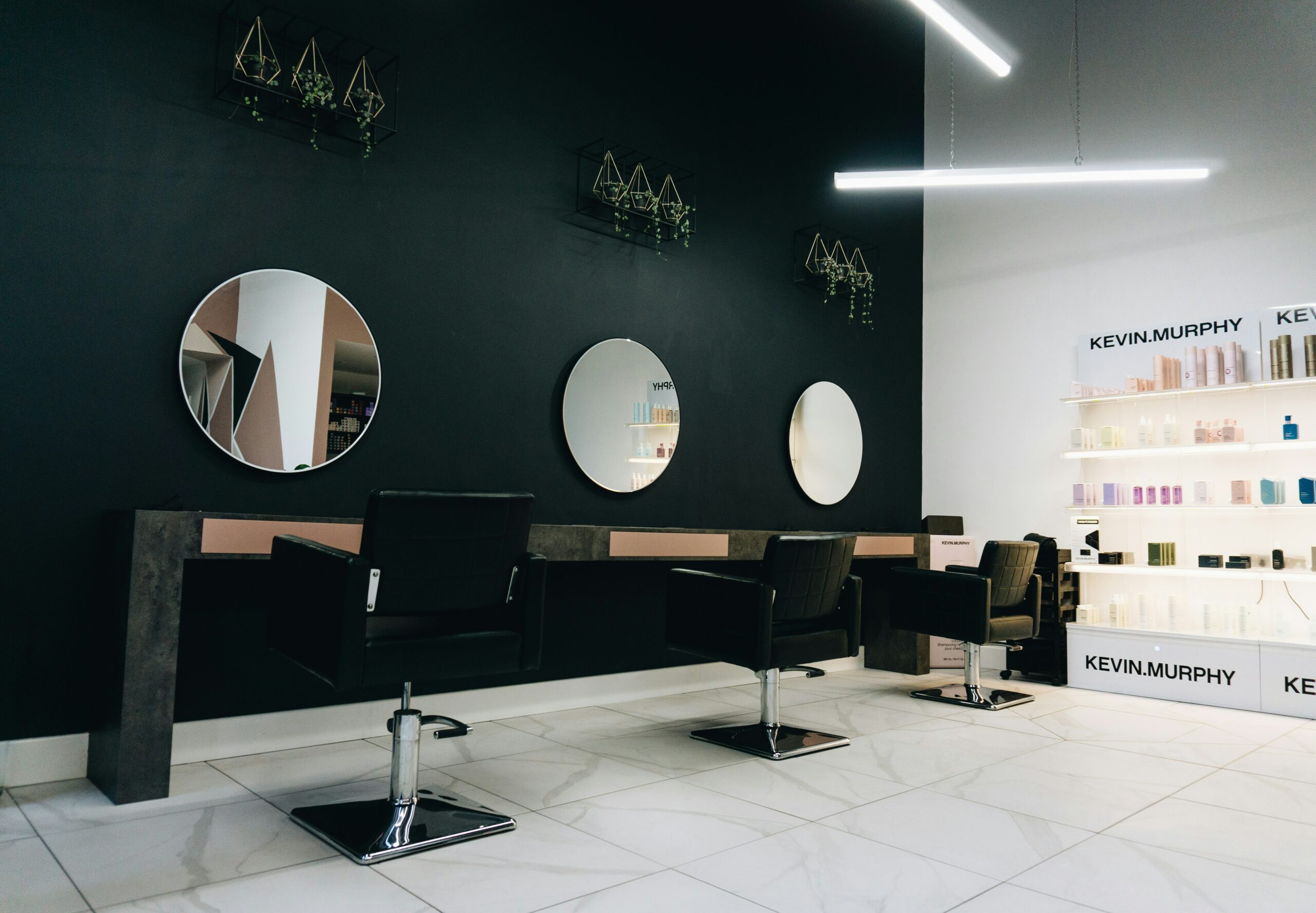
Opening a hair or beauty salon is an exciting step for any salon professional looking to establish their own brand and manage a business.
Your own salon business offers control over everything from hiring and managing staff to choosing your specialist services and designing a personalised salon space that reflects your vibe.
Making your salon vision a reality does, however, require lots of thoughtful planning and some strategic steps to be considered - this is not something you can just dive into and hope for the best.
Welcome to the Salons Direct guide on launching a successful salon business...
1. Choosing the Right Location for Your Salon
Choosing the right location is one of the most important decisions that you’ll make for your salon. The ideal location not only draws in your target clientele but also enhances their overall experience, setting a solid foundation for your salon’s success.
Here’s what to consider when selecting the best spot for your new business...
Understanding Your Target Market
To find the perfect location, think about the type of clients you want to attract.
A city-centre location may be ideal if you’re targeting young professionals or city dwellers who are accustomed to premium prices and a fast-paced atmosphere. A suburban or residential location might suit a family-focused or more relaxed clientele, especially for those looking for easy accessibility and parking.
Key Location Considerations
When selecting a location, here are some critical factors to keep in mind...
Footfall
Areas with high footfall, like main streets or shopping centres, increase the chances of walk-ins and visibility, making it easier to attract new clients.
Complementary Businesses
Proximity to businesses that align with your services, such as coffee shops, clothing boutiques, or fitness studios, can be mutually beneficial. These nearby businesses can naturally attract people who may be interested in your salon services.
Parking and Accessibility
Convenient parking is especially important in suburban and rural areas where clients rely on cars. If parking is limited, consider a location near public transport or easy-to-access walking routes to improve client accessibility.
Types of Salon Locations
The type of building or space you choose will influence the atmosphere of your salon and may affect renovation costs.
Here are a few popular options:
Standalone Salon: Standalone locations allow you to fully customise your layout, branding, and signage. However, they often come with higher rent and renovation costs.
Shopping Centres: These locations benefit from higher foot traffic and visibility but may have stricter design and operating hour requirements.
Shared Spaces: Some salons share space with complementary businesses, such as spas or fitness centres, which can reduce rent costs and increase client exposure.
Cost Breakdown for Location
Monthly rent costs vary significantly by location and size of the space.
City Centre: Rents in prime city areas can start at £2,000 per month and go up to £5,000+ for larger spaces in high-traffic zones.
Suburban/Rural: Rents in suburban areas are often more affordable, with prices typically ranging from £500 to £2,000, depending on proximity to main streets or popular areas.
In addition, some leases may require several months’ rent upfront, which can be a substantial initial expense. For example, if the monthly rent is £2,000, you may need an additional £6,000 to cover the first three months.
Renovations
The renovation costs depend on the condition of the space and the level of customisation you want.
Minor renovations can include painting, minor fixtures, and lighting upgrades and typically cost around £1,000 to £5,000. This level of renovation works well if the location is already in good condition and requires only minor personal touches.
For slightly older spaces needing structural changes, like moving walls, upgrading flooring, or adding custom cabinets, expect to spend around £5,000 to £10,000. And if you need a complete overhaul, think of new plumbing for wash stations, upgraded electrical work, or significant layout changes, the budget can quickly climb to £10,000 or more.
Hidden Costs to Consider
Some additional costs may arise when setting up a new salon, so it’s essential to plan for these potential expenses. Monthly expenses for electricity, water, and heating are especially important in salons, given the high electricity usage of hair dryers, lights, and other equipment. Budgeting around £200-£500 monthly for utilities is common.
Read more in our guide: Choosing the perfect location for your salon.
2. Creating a Solid Business Plan
A business plan is your roadmap to success. It's time to outline your salon’s vision, the services you’ll offer, your target market, revenue projections, and a strategy for growth. A well-thought-out business plan also makes it easier to secure financing and gives you clarity on your goals and expectations.
The 4 Key Elements of a Business Plan...
- Executive Summary
The executive summary is a high-level overview that captures your salon’s mission, values, and unique offerings. This section should give a quick but compelling snapshot of what makes your salon different from competitors and what vision you have for its future. Think of it as your salon’s elevator pitch. Include a concise summary of your proposed services, the target audience, and the goals you aim to achieve in the short and long term.
2. Market Analysis
This section should include research on local competitors, their services, and pricing. Identify gaps in the market where your salon could stand out, like specialised hair colour treatments, eco-friendly products, or express services for busy professionals. Don't forget to include insights into trends within the beauty and hair industry, such as the rising demand for natural products or low-maintenance styles.
3. Financial Plan
This section is one of the most critical, detailing all expected expenses, revenue forecasts, and funding needs.
Your financial plan should include:
Startup Costs: Itemise all costs required to open, from lease deposits and renovations to equipment and initial product stock. For instance, costs may include furniture, equipment, staff training, and marketing materials.
Revenue Projections: Estimate your expected income over the first few years based on service pricing, projected customer volume, and any additional revenue from retail sales, etc.
Operating Expenses: Include ongoing expenses such as rent, bills, staff wages, insurance, and supplies.
4. Marketing Plan
Consider your online strategy (social media, website, email marketing) and any partnerships or collaborations with local businesses to increase visibility. A loyalty program, referral discounts, or seasonal promotions can also help build a steady client base.
3. Understanding Salon Licensing and Legal Requirements
Before you can open, ensure you have all the necessary licenses and understand the local regulations for hair and beauty salons.
Here in the UK, hairdressers don’t require formal qualifications to work in a salon. However, it’s beneficial to hire qualified staff, especially for chemical treatments which require adherence to health and safety standards.
In many regions, a basic business license is required to operate a salon.
In the UK, this can vary significantly depending on the local council, with fees ranging from £100 to £500. It’s often necessary to display this license prominently in your salon.
Some salons may require additional licenses for specific beauty treatments. For example, in the UK, certain councils require a special treatment license for procedures like laser hair removal, microblading, or even tanning, as these involve specialised equipment or techniques that may carry more risk. Fees for these licenses can vary by location and can range from £50 to £300.
Health and Safety Compliance
COSHH (Control of Substances Hazardous to Health): In the UK, salons that use chemicals must comply with COSHH regulations, which ensure that substances like hair dyes, disinfectants, and other chemicals are stored and used safely. This includes proper ventilation and protective equipment, like gloves and masks, as needed.
Patch Testing and Client Consent: Insurance and local regulations often require patch tests and signed consent forms for services involving chemicals, like hair dye or skincare treatments. This simple precaution helps to protect clients from allergic reactions and demonstrates your salon’s commitment to safety.
Related: The importance of path testing.
Insurance Requirements
Insurance is a crucial layer of protection for your salon, covering you against unexpected incidents and helping to safeguard your investment. In the salon industry, a range of insurance policies are available, with public liability insurance being one of the most important.
Public Liability insurance protects your business in the event a client experiences injury or property damage on your premises. It typically costs between £200 and £500 annually and is essential to cover potential claims from clients and visitors.
Professional Liability Insurance is for salons offering specialised beauty treatments, professional liability insurance is also recommended. This covers instances where clients may claim dissatisfaction or harm due to a treatment. Costs for this type of insurance vary but generally start around £150-£400 annually, depending on the level of coverage needed.
If you hire staff, UK law requires you to have employer’s liability insurance. This covers you if an employee is injured or falls ill as a result of their work. The minimum cover required is usually £5 million, with costs starting around £100 per year.
Employee and Workplace Regulations
If your salon has employees, you’ll need to adhere to workplace regulations and employee rights to ensure a compliant and fair working environment.
This includes fair pay, safe working conditions, and reasonable working hours. Familiarise yourself with labour laws regarding breaks, wages, and health and safety standards in your region.
Data Protection and Privacy
As a salon, you may collect sensitive client information (e.g., health conditions or contact details). In the UK, this means you’ll need to comply with GDPR, ensuring that client data is collected, stored, and handled responsibly and securely.
4. Budgeting and Securing Financing
Setting up a salon is very expensive; therefore, creating a clear budget is essential. Outline anticipated costs for rent, utilities, equipment, and supplies, and consider options for financing, such as small business loans or private investors.
Most banks will require a solid business plan and proof of industry experience. The typical start-up costs for salons can range from £10,000 to £50,000.
Why not take a look at our guide on how to set a financial plan that works
5. Designing the Perfect Salon Layout
Your salon’s layout should create a welcoming environment for clients while ensuring a functional space for your team. From the reception to treatment areas, consider hiring a professional interior designer to create an aesthetic that aligns with your brand. If this sounds interesting to you, why not take a look at our professional salon design service?
Cost Considerations...
Budget for essentials like styling chairs, backwashes, and mirrors. A complete set-up will cost £3,000-£10,000.
Check out some real salon interior inspiration via our iconic Salon Design Of The Month Series.
6. Purchasing Equipment and Salon Supplies
Why not purchase your salon supplies from a trusted supplier like us here at Salons Direct? We offer a wide range of professional salon furniture and products for barbershops and hair and beauty salons!
Example Costs for Equipment...
Styling Chairs: £200-£500 each.
Dryers and Washing Stations: £500-£1,500 per station.
Beauty Beds: £300-£800.
The best salon furniture for all budgets
7. Hiring and Managing Your Salon Team
Your team is the backbone of your salon. Hire professionals with experience and qualifications that align with your services and your values.
Staff Costs
Experienced Stylists: Salaries can range from £20,000 to £30,000 annually.
Junior Stylists or Assistants: £15,000 to £20,000 annually.
Hourly Wages: For part-time or freelance staff, £10-£15 per hour is common.
Wages In The Salon Industry: What are your staff worth?
8. Setting Service Pricing and Packages
Research local salon pricing to set competitive rates. Consider your costs, including rent, products, and wages, to ensure prices cover expenses while attracting clients. Offering bundled services and introductory promotions can help boost initial business and build a client base.
Example Pricing:
Haircuts: £20-£60, depending on location and stylist experience.
Colour Services: £50-£150 for basic treatments, with premium packages available.
How To Increase Your Salon Prices Without Losing Clients
9. Building a Strong Brand and Salon Identity
Your brand is more than a logo; it’s how your clients experience your salon. From the interior design to your social media presence, aim to create a memorable, cohesive brand that aligns with your target audience and shows off just how amazing you are!
If you're struggling with social media, check out our guide on using TikTok and Instagram Reels as part of your salon marketing strategy.
To Summarise
Opening a salon is an exciting, transformative journey that is hard work but can lead to a fulfilling and prosperous business.
With thoughtful planning and strategic decisions made along the way, you’ll build a foundation that helps your salon not only survive but thrive in a competitive market. We wish you nothing but good luck with your new salon venture!
Design your own salon with the help of Salons Direct
Shop professional salon supplies at Salons Direct today!
Discover the Salons Direct blog, your trusted source for industry news, product releases, how-to guides and more!
